
Hop latent viroid (HLVd, HLV or HpLVd) is a tiny, molecular parasite that is infectious in plants. HLVd is the molecular cause “dudding” in cannabis plants (1,2). Major economic losses are attributed to hop latent viroid due to this pathogen’s negative impact on flower quality. Estimates indicate +20% total accumulated production loss and some of our customers have sustained infections in 50%-60% of their grow rooms. Management of HLVd is a critical consideration for all cannabis cultivators.

Jump To A Section



What is a Viroid?
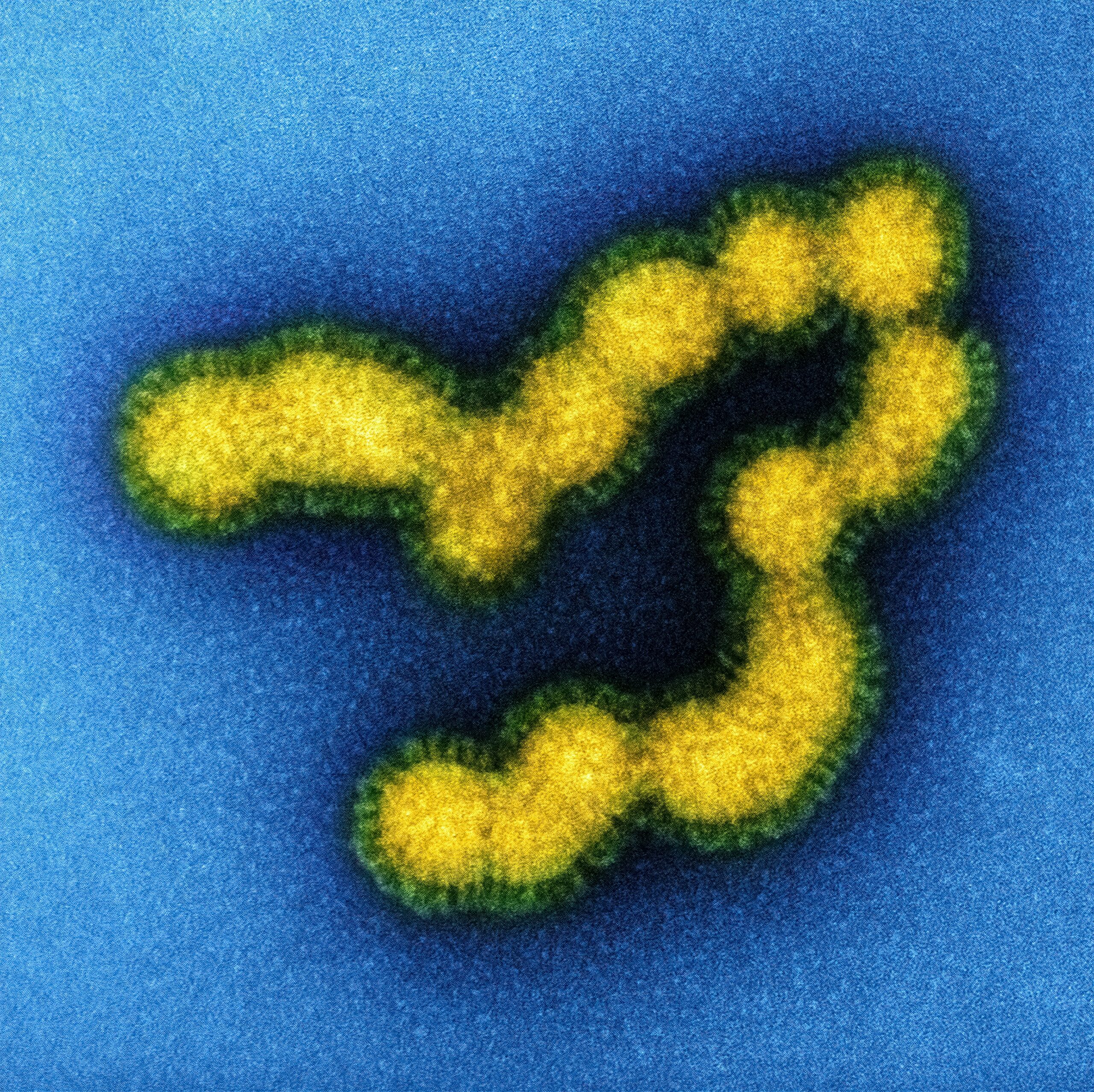
Viroids are miniature infectious agents that are composed of only genetic material. As opposed to viruses, whose genome is encapsulated by a protective layer, viroids are naked RNA. This RNA, just like DNA, contains all the information needed for a viroid to replicate inside its host. Because viroids are so simple, they are completely dependent on the host plant to allow replication and spread (3).
How Stable are Viroids?
Viroids are naked RNA so it is often assumed they are unstable and cannot remain infectious outside of a host for long. This assumption is based on the relatively fragile nature of the average RNA molecule. However, viroids are not an average RNA molecule. They are rod-shaped molecules, tightly bound to themselves, like two pieces of velcro.
This structure, called double-stranded RNA, is very stable and rigid, allowing viroids to persist even in harsh environments. Studies have shown that viroids can remain infectious for longer than 24 hours on most common surfaces (4), seven weeks in water (5) and months to years in dried plant debris and seeds (6, 7). Careful and intentional sterilization is critical to limit viroid spread.
Where Did Hop Latent Viroid Come From?
Hop latent viroid (HLVd) was first characterized in hop plants (the plants that give the bitter taste to beer) in 1987 (8). In hops, HLVd is largely asymptomatic, which has allowed this pathogen to spread globally. Hop latent viroid has been identified on most continents in the world and in some fields more than 90% of hops plants infected (9). Despite this high rate of infection, few containment measures are in place for hop latent viroid in hops because the infection does not cause serious economic consequences in this crop. Exactly when HLVd cross-species jumped into cannabis is not known. However, based on the prevalence of hop latent viroid, this pathogen has likely been spreading in cannabis for quite some time.
What Plants are Infected by Hop Latent Viroid?
Hop latent viroid has a fairly narrow host range. The only plants characterized to be natural hosts of HLVd are hops plants, stinging nettle and cannabis. However, viroids are capable of rapid mutation and evolution, so it is possible that an alternative HLVd sequence could evolve to infect other crops. In line with this idea, it is known that heat treatment results in mutations in the HLVd genome that could allow the viroid to replicate in other crops (10).

Hops (Humulus lupulus)

Stinging Nettle (Urtica dioica)

Cannabis (Cannabis sativa L)
How Does Hop Latent Viriod Replicate?
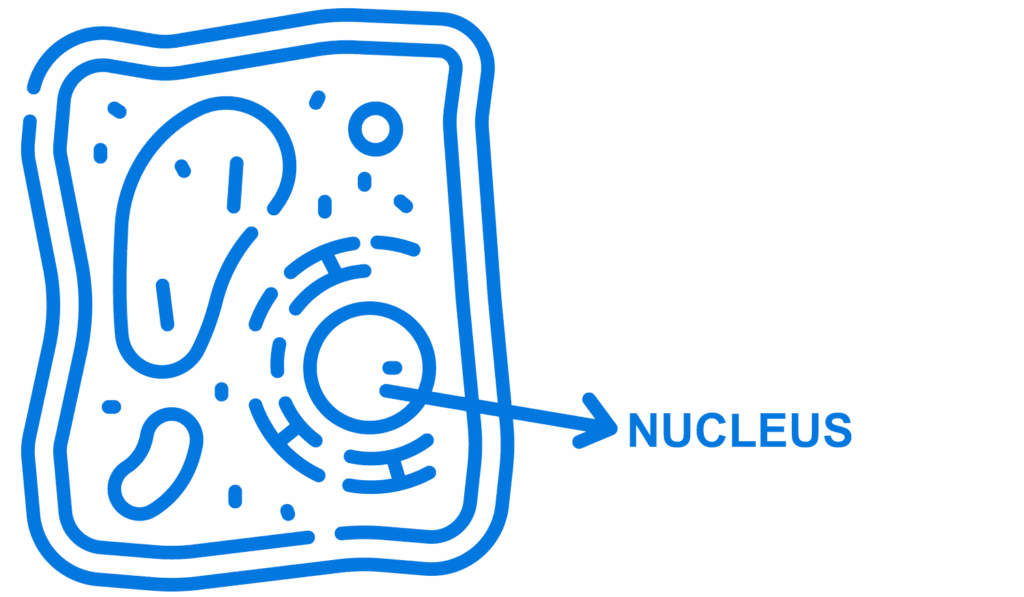
Viroids are intracellular parasites that are completely dependent on the plant for replication. Viroids like HLVd exist mostly inside the cells of an infected plant, in a compartment called the nucleus. In the nucleus, HLVd changes gene expression forcing the molecular machine that interprets the DNA (called RNA Polymerase II) to instead replicate the viroid. Because of the location of HLVd in infected plants, non-specific disinfectants, either applied topically or used to dip a clone, cannot cure hop latent viroid. Any disinfectant that indiscriminately destroys RNA, inside living cells, would also kill the plant.
Read More
Hop latent viroid establishes a systemic infection by moving through the vascular system of the plant. Because viroids cannot traffic independently, they are dependent on the normal movement of sap to transport them from the site of infection to new tissue. Because of this, viroids do not infect all parts of a plant evenly. Sap containing energy generated in leaf tissue (aka photoassimilates) is trafficked to areas of active growth in the plant, called “source to sink ” movement. Therefore, viroids will travel more readily to areas actively growing when the plant was infected as well as to the roots, which require energy generated from foliage to grow. What this means is that not every branch in an infected plant will initially contain hop latent viroid. Sampling of multiple locations around a plant is critical to correctly diagnose HLVd.
What are the Symptoms of Hop Latent Viriod?
Hop latent viroid has very pleiotropic effects, meaning the symptoms can range from severe to extremely subtle. A HLVd infection can impact growth patterns, leaf shape and color and flower content and quality.
Growth
- Stunted Growth
- Bushy Christmas tree like growth
- An increase in horizontal growth of branches
- Brittle Stems
Leaf
- Leaf Overlap
- Leaf discoloration/chlorosis
- Stunted, yellow leafs
Flowers
- Stunted flowers
- Reduced density
- Reduced trichomes
- Reduced cannabinoid content
Infections can be Asymptomatic
However, hop latent viroid can also present asymptomatically especially in newly infected plants or plants in the vegetative state. While symptoms may not be apparent, these plants can still spread the infection to healthy plants in your facility. Hop latent viroid cannot be diagnosed based on symptoms alone. The only way to be sure a plant is infected or not is through a molecular diagnostic test.
How Does Hop Latent Viroid Spread?

Mechanical Transmission
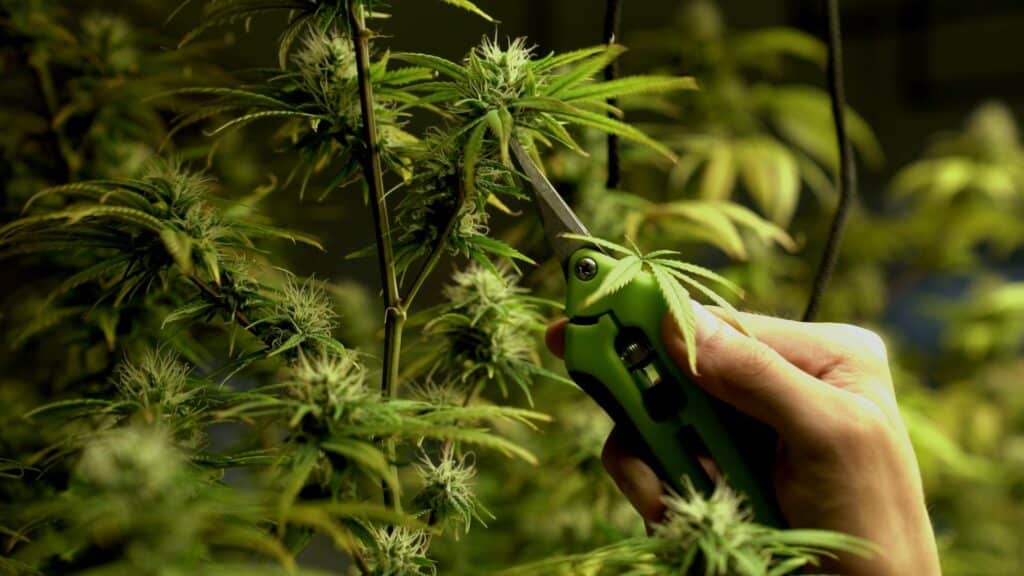
Hop latent viroid is primarily spread mechanically. For the infection to spread, sap from an infected plant must gain access to a wound or microtear on a healthy plant. The most common way viroids spread in a facility is during plant trimming. If tools are not properly sterilized after trimming an infected plant, those tools will readily spread HLVd to healthy plants.
While touching can also spread hop latent viroid, this method of transmission is less common. If there is sap or plant debris from a sick plant on the hands of an individual, rough touching of other plants that results in a micro-tear or abrasion can spread HLVd. Sanitation of gloved hands between plants is highly recommended.

Insects and Other Pests
No published reports currently exist showing insect transmission of hop latent viroid. However, numerous other viroids are spread by insects, making insect transmission of HLVd very likely. It is good practice to limit the access of insects to your plants regardless, as many other viruses and pathogens are spread by insects. Recent reports also suggest that pathogenic fungi, such as Fusarium, are capable of supporting viroid replication and spreading the infection to host plants (15). While pathogenic fungi is a major concern for cannabis growers in its own right, limiting the prevalence and spread of fungal pathogens in your facility could help limit hop latent viroid transmission as well.

Seed Transmission
HLVd has been shown to transmit through seeds in hop plants at a rate of around 8% (11). In cannabis the percent transmission appear s to be quite a bit higher with transmission rates up to 80% for seedlings (12). TUMI Genomics internal studies suggest seed transmission rates range between 15% – 50% depending on cultivar and seed age.

Water Transmission
Water transmission is another potential route of spreading. Viroids are in high concentration in the roots (13) and can move from the root into runoff water (14). Water contaminated with high levels of viroid can spread the infection to healthy plants. If recirculating water or any shared water sources are utilized, water transmission is a potential concern.
How do I Keep my Facility Safe from Hop Latent Viroid?
The single most effective way to keep your facility safe from hop latent viroid is prevention. There is no topical treatment or cure for HLVd. While critical varieties can be cleaned via a lengthy tissue culture process, nothing can rescue a run failing due to hop latent viroid. At TUMI Genomics we have created a pathogen prevention program, STOP, to help growers take intelligent steps to protect their plants from pathogens, including HLVd.
What Should I use to Disinfect my Tools from Hop Latent Viroid?
Because viroids are naked RNA, many common disinfects are not effective to remove hop latent viroid. The most effective disinfectant shown to reliably destroy viroids is regular household bleach (sodium hypochlorite- 5.25% Sodium Hypochlorite). To remove viroid contamination, tools should be soaked in a dilute bleach solution (one part household bleach mixed with nine parts water) for 60 seconds. Alternating between several pairs of scissors in a bleach solution can help make disinfection efficient during trimming.
Common disinfects that DO NOT work against viroids include alcohol (at any concentration) or hydrogen peroxide. Heat sterilization is also not 100% effective.
Should I Test for Hop Latent Viroid and How Often?
Hop latent viroid cannot be diagnosed based on symptoms alone. The only way to determine if a plant is infected is through a diagnostic test. Due to the prevalence and potential economic loss from this pathogen, regular testing mother plants every 4-6 weeks is recommended.
While various types of in-lab tests are available, PCR is by far the most sensitive and accurate. At TUMI Genomics, we employ a specialized type of PCR called TaqMan-qPCR, which has increased sensitivity and specificity over standard PCR. To get more information and see the scientific validation of our HLVd test CLICK HERE.
How Do I Sample My Plants?
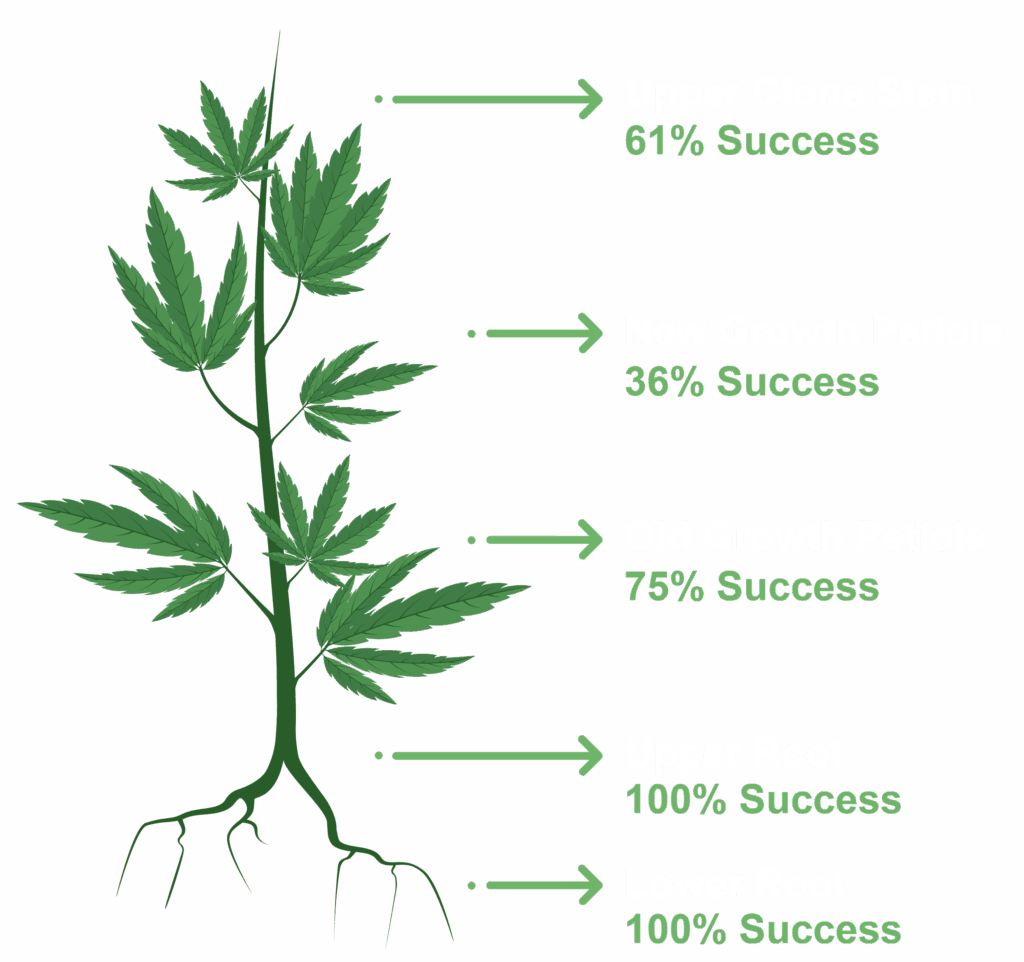
Viroids do not move about the plant evenly in all tissues. We have found that the area of the plant that is most predictive of infection is top root tissue. This tissue contains high levels of viroid and is 100% predictive of infection in our studies. To learn more about this research CLICK HERE.
Have More Questions About Hop Latent Viroid?
Check out our FAQ for detailed answers to other commonly asked questions.